







 Partners




PostgreSQL Data Wizard product tour
Data Pump

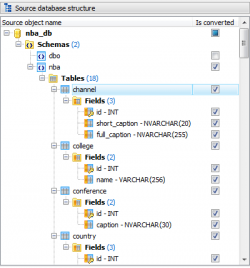
Data Pump Wizard is a powerful tool for converting database structure and table data from ADO-compatible sources (i.e. any database for which you have an OLE DB Provider or an ODBC driver, such as MySQL, PostgreSQL, SQLite, Oracle, Firebird, MS Access or MS SQL databases) to PostgreSQL databases. When running, the wizard guides you through the process of generating SQL script for converting the source database to your PostgreSQL database. Bear in mind that using templates when working with Data Pump Wizard can be of considerable importance. If you are eager to economize your time and efforts spent for performing customizing operations, using Data Pump Wizard templates is exactly what you need! |
|

|
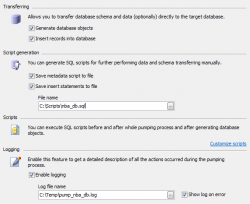
Using Data Pump Wizard you also have an ability to save the converted structure and data to a script file. This feature can be useful if there is no need (or no opportunity, e.g. when the target PostgreSQL database is not available at the moment) to convert the structure and table data directly into the database. To do this, you are to specify the appropriate script file options. After the script file is created, you can transfer the pumped data to your PostgreSQL database using SQL Maestro for PostgreSQL, for example. |
| Next |